Reviewing the Camel Standing in the Desert Embroidery Design
First Impression: A Friendly, Rustic Brand Anchor
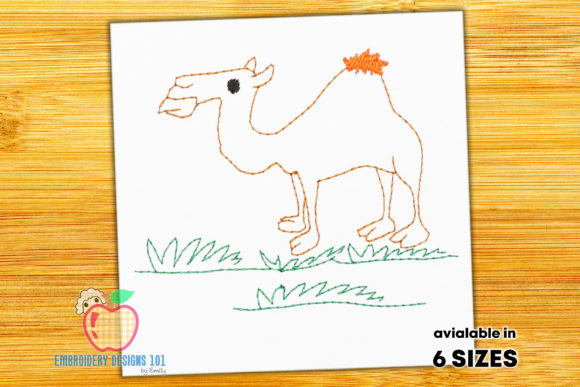
When evaluating an embroidery file like Camel Standing in the Desert for business use, the first glance tells a lot. This design presents a classic, solitary desert scene that feels inherently rustic and approachable. It doesn't scream corporate; instead, it whispers handmade and grounded. For small businesses—a café with a cozy vibe, a boutique focusing on natural materials, or a creative studio with an earthy aesthetic—this image can serve as a perfect visual anchor. The fact that it's described as a Quick Stitch design with open fill, where the fabric is visible through the stitches, adds to that handmade, artisanal presentation. This is a significant point for Etsy sellers, crafters, and handmade brands where the texture and feel of the work contribute directly to product value and customer trust.
Versatility Across Key Business Items
Camel Standing in the Desert has a silhouette and composition that lends itself well to a variety of commercial embroidery projects. The single subject with a clean outline makes it a candidate for many applications.
- Embroidered Patches: This is a standout use. The open stitch fill means the patch won't be overly stiff or heavy, making it suitable for applying to aprons, tote bags, or even product packaging as an accent. For a pet brand or florist, a Camel Standing in the Desert patch on a denim jacket or work shirt can become a recognizable, branded element.
- Cap Embroidery: The design's likely moderate stitch count (inferred from the "Quick Stitch" description) is good news for cap fronts. High density can warp curved surfaces, but this design should sit comfortably on a cap, offering a distinctive logo for staff or as customer merchandise.
- Tote Bag Design & Apron Embroidery: These are prime canvases. For a bakery or boutique offering a branded tote, this emblem adds a touch of personality without being overly loud. On an apron, it becomes a functional part of the staff uniform, enhancing professionalism and visual consistency.
- Product Labels & Packaging Accents: As a small chest logo or sleeve detail on staff polos, it acts as a subtle brand mark. For event merch or customer gifts, like a keychain or a small embroidered towel, it provides a cohesive design asset.
Points for Careful Application
While versatile, every embroidery design has limits. For Camel Standing in the Desert, consider these points to ensure a quality finished product.
- Small Patch Sizes: If scaling down drastically for a very small patch (under 2 inches), test the outline details first. The open fill will help, but fine lines might need adjustment.
- Dark Background Fabrics: The visible fabric through the stitches is a key feature. On dark uniforms or black tote bags, you'll need to choose thread colors that pop and possibly use a lighter fabric as a patch base to maintain the design's intended rustic look.
- Frequent Wash Items: For uniforms, aprons, or work shirts that undergo heavy laundering, the durability of the stitch structure is paramount. Always use the proper stabilizer during embroidery to lock stitches in place and preserve the design's integrity over time.
Building Brand Identity with a Desert Scene
Choosing a machine embroidery design is more than a decorative choice; it's a branding decision. Camel Standing in the Desert carries connotations of resilience, journey, and natural simplicity. For a small business, these traits can align powerfully with brand identity. A local coffee shop named "Oasis" or a travel-focused handmade shop could use this design to create immediate visual recognition. It feels premium not through gloss, but through authenticity. When customers see this consistent emblem on your staff's aprons, your store's tote bags, and your product's tags, it builds a cohesive story that enhances buyer engagement and reinforces your market position.
Essential Designer Notes Before Production
As a professional putting this digital embroidery file to work for a client or your own business, a few practical steps are non-negotiable.
- Test in Black and White: Run a test stitch using just black thread on white fabric and white on black. This reveals the pure structure of the design, highlighting any potential issues with spacing or outline integrity without color confusing the assessment.
- Confirm Scale for Patches: Specifically test the design at the small patch size you intend to use. Does the camel's form remain clear? Does the open fill still look intentional and not sparse?
- Review Thread Color Contrast: The palette you choose will define the design on different fabrics. Since the base fabric shows through, consider how your chosen colors interact with the merchandise fabric color.
- Test on Real Fabric: Never rely solely on a screen preview. Stitch a sample on the actual fabric you'll use for the project—be it denim for a patch, twill for a cap, or canvas for a tote bag. Fabric texture dramatically affects the final look.
- Create a Printable Mockup: Before full production, create mockups for client approval or your own planning. Seeing the Camel Standing in the Desert design placed on a cap, apron, or bag digitally helps finalize placement and size.
- Compare with Other Assets: If this design is part of a larger brand suite, stitch it alongside your other logos or graphics. Ensure it complements them visually and in terms of stitch density and scale.
- Confirm Commercial Licensing: The product description does not specify license terms. It is critical to verify that your purchase or acquisition of this embroidery file includes the rights for commercial embroidery, meaning you can use it on products you sell or for business uniforms. Never assume.
Final Thoughts for Business Use
Camel Standing in the Desert is a Wild Animals category design that transcends mere decoration. Its Embroidery type is its function, but its value lies in its character. For the apparel decorator, it's a reliable, stitch-friendly file for custom apparel. For the merch creator and product designer, it's a brand asset that tells a story. For the small business owner, it's a mark of identity that can be worn, carried, and displayed. By approaching it with the practical steps outlined—testing, scaling, and verifying licenses—you transform this digital design into a tangible tool for building your business's visual world.