A Fox Sitting Redwork Review for Craft Fair Products
As an embroidery designer preparing for a weekend market, every design file is evaluated not just for its artistry, but for its real-world selling power. Today, I’m looking at Fox Sitting Redwork, a Wild Animals design, and judging its potential as a craft fair product. The question isn't just whether it’s a lovely design, but where it will shine on a booth table full of handmade products and how it translates from digital file to tangible value.
First Impression: Rustic Charm with Modern Appeal
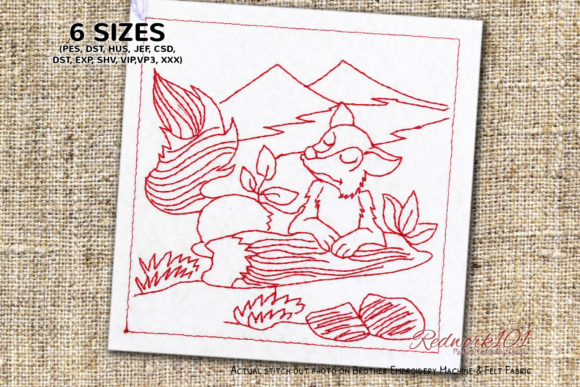
The title Fox Sitting Redwork immediately sets a specific mood. Redwork traditionally suggests a rustic, almost farmhouse feel, but a fox subject brings in a touch of whimsy and wild elegance. This isn’t a overly cute or cartoonish animal; it likely carries a dignified, soft minimalism. That combination is potent. It feels decorative and premium without being fussy, making it adaptable across different customer tastes—from the modern minimalist to the cozy rustic lover. In a crowded Etsy seller landscape or a bustling craft fair aisle, that clear, appealing aesthetic helps it stand out at a glance.
Product Performance: Where This Fox Will Hunt for Sales
When I imagine my display—tote bags, aprons, tea towels, caps, patches, pouches, and pillow covers—I mentally place this embroidery file on each one to see where it lands best.
Strong Contenders for High Visibility
Tote bags and market bags are a prime candidate. A Fox Sitting Redwork design, especially if it has clean lines, becomes a fantastic focal point on a bag’s flat panel. It feels intentional and artistic, elevating a simple bag into a small shop product with story. Similarly, pillow covers allow the design to be appreciated as a decorative home accent, tapping into the home goods market. For apron embroidery or tea towel embroidery, the fox’s rustic charm fits the kitchen perfectly, suggesting a connection to nature and handmade quality.
Versatile Accents for Smaller Items
As an embroidered patch, this could be exceptionally popular. Patches are affordable, giftable, and allow customers to personalize their own items. The fox’s likely elegant silhouette would work well here, provided the details remain clear at a smaller size. On caps, the curved surface is a challenge; the design must be tested to ensure it doesn’t distort. For small fabric pouches, it serves as a beautiful, subtle branding touch or decorative element.
The Critical Role of Mockups
Before production, creating at least one real physical mockup—on a tea towel or scrap of bag fabric—is non-negotiable. This reveals how the design interacts with real fabric texture. A textured towel might soften the lines, while a smooth cotton will keep them sharp. Also, printable mockups for your Etsy listings are crucial, but the real handmade sample at your booth proves the quality and attracts tactile buyer engagement.
Practical Production & Selling Considerations
Turning a design into batch-ready commercial embroidery products requires a practical eye.
Clarity and Scale
I automatically consider stitch density and tiny details. Redwork often uses outline or satin stitches, which can be forgiving, but any dense areas or minute features in the fox’s face or fur need to be checked. Does it simplify well for a small accent on a cap, or does it need to be a larger focal design on a tote? You must test the design on scrap fabric at multiple sizes. A design that loses clarity when small will limit your product range.
Thread and Fabric Harmony
The “redwork” name suggests specific thread colors, but the description notes the optional Stitch Box and that its color differs. This is a vital reminder: always check thread contrast against your final product fabric. A red fox on a dark navy bag might vanish; on natural linen, it will pop. Compare fabric colors deliberately. Also, using the right stabilizer for the fabric weight—like a thick tote material versus a light tea towel—ensures the final product looks crisp, not puckered.
Batch Production and Display Strength
For a craft fair, repeatability matters. Fox Sitting Redwork appears straightforward, likely making it efficient for batch production once the right hoop size and settings are locked in. This efficiency translates directly to your booth’s inventory strength. Having a coordinated line of fox-embroidered products—a towel, a bag, a patch—creates powerful brand consistency. Customers notice thematic displays; it tells a story and increases perceived value.
Careful-Use Notes for the Embroidery Designer
A professional review always includes cautionary checks.
- Review spacing and small lettering: If the design includes any tiny text elements, they are often the first to fail on textured fabrics or curved surfaces.
- Inspect stitch density in any filled areas: Too dense on thin fabrics can cause pulling; too light can look sparse.
- Always confirm commercial licensing before selling finished products from any digital embroidery file. The description doesn’t specify, so this is a mandatory step for every digital seller.
- Dark fabric applications require careful thread color selection and possibly adjusting the design’s stitch density for better visibility.
- On curved surfaces like caps, ensure the design layout accommodates the curvature in your machine file to avoid distortion.
Final Judgment: A Design with Strong Market Potential
Fox Sitting Redwork emerges as a design with solid potential for the handmade market. Its rustic-meets-elegant mood aligns with current trends, and its versatile subject fits a range of products from practical kitchen items to decorative home accents. Its success hinges on the designer’s diligence: testing scale, optimizing for fabric, and building a cohesive product line around it. When executed well, it becomes more than an embroidery design; it becomes a recognizable element of your brand’s story on the craft fair table, attracting customers who appreciate both wild nature and handmade craftsmanship. It reminds us that in the business of handmade product creation, the true value of a machine embroidery design is realized only when it leaves the screen and becomes something people can see, touch, and ultimately, love enough to take home.