Ice House in Winter: A Bluework Design Review
As an embroidery designer working with small businesses, I see hundreds of designs proposed for branded merchandise. When a client asks me to evaluate Ice House in Winter Bluework for their commercial use, my first step is to move beyond its decorative charm and assess its practical potential as a brand asset.
First Impression: Rustic Charm with Professional Potential
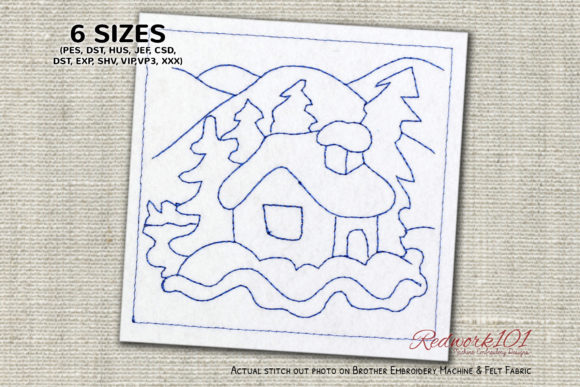
The title Ice House in Winter Bluework immediately suggests a specific aesthetic: it’s classic, serene, and carries a handmade, storybook quality. The focus on “bluework” implies a cohesive, limited color palette, which is excellent for brand consistency. This isn’t a loud, chaotic design; it feels rustic, elegant, and quietly premium. For a small business—think a cozy café, a boutique selling handmade goods, a local winter sports outfitter, or a creative studio—this visual personality aligns perfectly with brands that value craftsmanship and a warm, inviting feel. It doesn’t scream “corporate logo”; instead, it whispers “authentic identity.”
Real-World Business Applications: Where This Design Thrives
Let’s translate that first impression into actual products. Ice House in Winter Bluework is versatile, but its strengths shine in particular applications.
Prime Uses for Branded Merchandise and Patches
- Embroidered Patches: This is a standout use. The likely simpler color scheme and clear subject matter make it ideal for a custom patch. Patches can be applied to denim jackets, backpacks, or sold as standalone collectibles for brand fans. The “box stitch” mentioned as optional is a key consideration here; a clean outline might be preferable for a patch’s edges.
- Staff Uniforms and Aprons: As a chest logo or sleeve detail on uniforms for a café, bakery, or florist, this design adds a touch of personality without overwhelming the garment. It would work beautifully on an apron, directly communicating a handmade, artisanal brand value.
- Cap Embroidery: On the front of a cap, the design’s central focal point (the ice house) should be evaluated for clarity at a smaller size. The limited colors are beneficial here, reducing stitch density and improving durability on curved surfaces.
- Tote Bag Design and Product Labels: Embroidered on a tote bag, it becomes a reusable brand ambassador. Similarly, as a small accent on product packaging tags for a handmade shop, it elevates the perceived value of the item inside.
- Customer Gifts and Event Merch: For holiday customer gifts or limited event merchandise, the winter theme is naturally fitting. It creates cohesive, seasonally appropriate brand extensions.
Critical Considerations for Professional Execution
Every machine embroidery design requires practical testing before it hits your merchandise. For Ice House in Winter Bluework, here are the professional checks I would perform.
- Size and Scale Test: Always test the embroidery file at the actual size you intend to use, especially for small patches or cap fronts. Does the main imagery remain clear and recognizable when stitched small?
- Color and Contrast: The description notes the outer box color can vary. This is crucial. Test the design in monochrome or grayscale first to evaluate its structural integrity. Then, review your chosen thread colors for contrast, especially if stitching on dark uniforms or textured fabrics like canvas tote bags.
- Stitch Density and Fabric: Assess the overall stitch count and density. Designs with high density can be problematic on lightweight fabrics or items needing frequent washing, like work shirts. Proper stabilizer choice is non-negotiable.
- Mockups and Client Approval: Before production, create a printable mockup showing the design on your intended products (apron, cap, etc.). This visual confirmation aligns expectations and ensures the finished product supports your brand identity.
- Licensing and Commercial Use: Confirm the digital embroidery file comes with a license for commercial embroidery. This is a fundamental step for any business use, from Etsy sellers to apparel decorators.
Where to Use This Design with Care
While versatile, Ice House in Winter Bluework has potential limitations that demand a designer’s attention.
- Extremely Small Patch Sizes: If reduced to a very tiny size (under 1.5 inches), intricate details may become lost or create needle breakage points. Simplify if necessary.
- High-Texture or Unstable Fabrics: Highly textured or stretchy fabrics can distort serene, outlined designs. Always use the correct stabilizer and consider a less dense version.
- Dark Backgrounds Without Adjustment: Stitching the described bluework palette directly onto a black garment might lose impact. You may need to introduce a lighter background stitch or adjust color values for contrast.
- As a Stand-Alone Logo: For some businesses, this design might be better as an accent rather than the primary logo. Compare it beside your other design assets to ensure visual consistency across all branded materials.
Impact on Brand Identity and Customer Perception
Ultimately, choosing a design like Ice House in Winter Bluework for your small business merch is a strategic decision. It affects how customers perceive your brand.
This design fosters customer trust and recognition by presenting a coherent, crafted image. It suggests attention to detail, which translates to perceived product quality. On a handmade product label, it reinforces the artisan story. On staff uniforms, it enhances professionalism with a unique, friendly touch. It can turn a simple tote bag into a desirable custom apparel item, increasing buyer engagement and loyalty.
The key is intentionality. Use it where its rustic, winter-themed elegance aligns with your brand’s message. Avoid using it in contexts where its subtlety might be overlooked or its theme feels irrelevant. A professional embroidery designer’s role is to bridge the gap between a beautiful file and a functional brand asset. With proper testing and application, Ice House in Winter Bluework can become a silent, powerful ambassador for your business’s story.