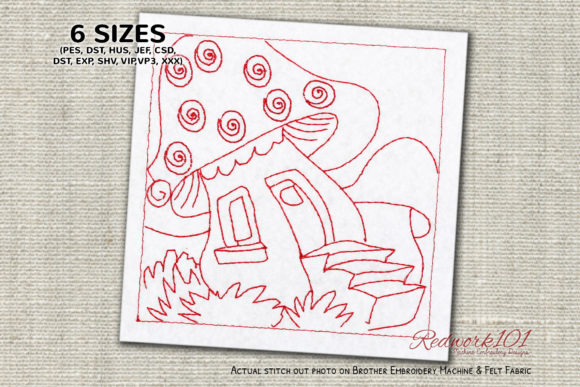
Testing the Cartoon Mushroom House Redwork Embroidery Design
As an embroidery designer preparing a new product line for my personalized gift shop, my first task is always to evaluate a digital embroidery file from every angle. Today, I’m looking at the Cartoon Mushroom House Redwork design. This whimsical piece falls under the broader category of Fairy Tales, but its appeal feels much wider. My goal is to imagine it stitched out on real products, to see if it holds the charm and practicality needed for successful customer orders.
First Impressions: A Design Full of Whimsical Charm
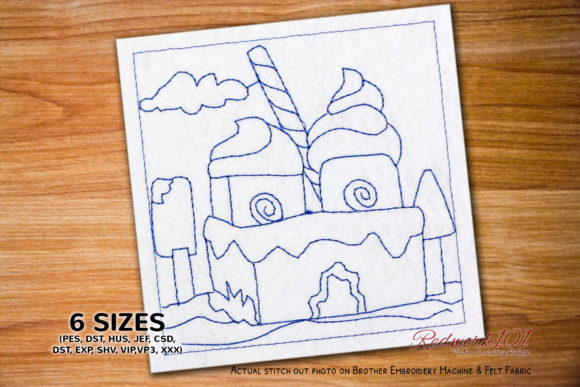
The moment I looked at the preview, the mood was clear: playful, sweet, and deeply handmade. The cartoon style is approachable and fun, not overly intricate or serious. This isn’t a formal, elegant piece; it’s a design that sparks imagination. The charm lies in its simplicity—a fantastical mushroom house that feels both nostalgic and modern. This emotional appeal is key for personalized gifts. It doesn’t just decorate; it tells a little story, which is exactly what customers seeking meaningful keepsakes are looking for.
Where This Embroidery Design Would Shine
Thinking of my shop’s inventory and common customer requests, I can immediately picture Cartoon Mushroom House Redwork on a variety of items. The sweet, fantasy theme makes it a natural fit for baby embroidery projects: nursery pillows, custom baby blankets, or a special bib. Its playful romance could also translate beautifully into a unique wedding gift, like an apron for a cozy home life or a decorative pillow cover for a new couple.
For everyday family keepsakes, it would be lovely on a kitchen towel or a personalized tote bag. Etsy sellers and craft fair vendors could leverage this design for a whole series of products—aprons, pillow covers, simple blankets—creating a cohesive, recognizable line. For small business owners, using it in custom order previews and printable mockups would help clients visualize the finished product on their chosen item, boosting confidence and sales.
Potential Applications for Different Customers
- Baby Product Creators: Nursery wall hangings, embroidered swaddle blankets.
- Wedding Gift Designers: Keepsake handkerchiefs, decorative tray cloths.
- Handmade Sellers: Embroidered towels, themed pillow sets for online shops.
- Digital Product Sellers: As part of a fantasy-themed embroidery bundle.
Careful Considerations for Fabric and Placement
While the design appears simple to stitch, its successful application depends on the final product. On textured fabric like thick terrycloth towels, the stitch density needs to be sufficient to prevent gaps. On stretchy baby clothes, a good stabilizer is non-negotiable to maintain shape. I would be cautious about stitching it on very dark fabric without first testing thread color contrast; the redwork style might need a brighter top thread to pop.
Small, delicate details (like tiny windows or door outlines) require attention. They might get lost on very coarse fabrics or on curved surfaces like a rounded tote bag side. For products needing frequent washing, like kitchen linens, a durable thread and tight stitch construction are vital. The description mentions simplicity, which suggests it’s forgiving, but I always advise testing on scrap fabric first, especially for any item going to a customer.
The Giftability and Perceived Value Factor
From a business perspective, this design enhances giftability. Its storybook quality creates an immediate emotional connection. When a customer sees this embroidered on a pillow or blanket, they perceive it as a thoughtful, handmade product, not just a generic decoration. This boosts perceived value and, in turn, allows for a healthier price point.
For product photography, the clean, cartoon lines would look crisp and appealing, fostering buyer engagement online. A customer’s trust in your handmade quality grows when they see consistent, well-executed designs like this across your range. It speaks to a coherent brand, especially for shops focused on fantasy, whimsy, or personalized family items.
Practical Embroidery Notes Before You Stitch
Before loading this machine embroidery design and running a final product, here’s my personal checklist. I need to confirm the hoop size required, though the description suggests it’s manageable. I’ll review the stitch density in the file preview to ensure it’s suitable for both delicate and sturdy fabrics. A test run on light and dark scrap fabric will check thread color contrast and reveal how the small details look after stitching.
Using the proper stabilizer for the chosen fabric texture is a must—a towel needs a different approach than a baby blanket cotton. Most importantly, if I plan to sell the finished product commercially, I must confirm commercial licensing terms for this digital embroidery file before any production begins. The product description doesn’t specify these details, so checking with the designer or distributor is a critical step.
Essential Pre-Production Steps
- Run a test stitch on a scrap piece of your target fabric.
- Compare results on both light and dark fabric mockups if possible.
- Verify the design fits your intended hoop size for production efficiency.
- Ensure thread choices provide clear contrast and visual pop.
- Double-check licensing for commercial embroidery use.
Final Thoughts for Crafters and Shop Owners
The Cartoon Mushroom House Redwork design holds real potential. It’s a versatile, emotionally appealing file that can serve baby product creators, wedding gift designers, and everyday Etsy sellers alike. Its whimsy translates into perceived value and customer delight. However, its success on any specific item—be it an embroidered towel, pillow cover, or blanket embroidery—hinges on thoughtful execution. Always test, always check licensing, and always consider the fabric. When done right, this little mushroom house could become a beloved, best-selling part of your small shop product lineup, turning fantasy into a tangible, personalized gift.