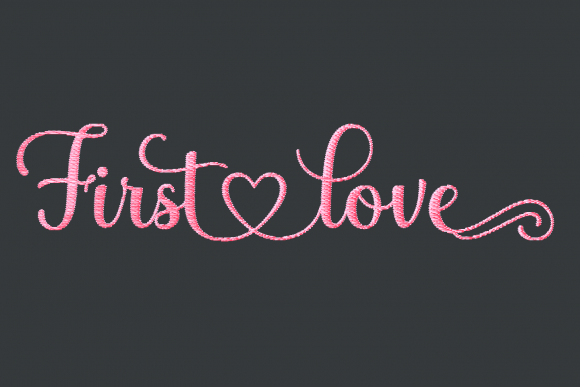
First Love: A Designer's Review for Real Projects
When a design file lands in my library, the first thing I do is look beyond the preview image. I think about how it will stitch out, how it will feel on fabric, and where it truly belongs. First Love is one of those designs that immediately evokes a mood—a soft, timeless sentiment perfect for Wedding Quotes and beyond. Let's walk through what makes this machine embroidery design work, and where you, as a maker, can use it most effectively.
The Quiet Charm of First Love on Fabric
Opening First Love, you get a sense of gentle romance. It’s not overly ornate; it relies on clean shapes and thoughtful layout. This visual personality is its biggest strength. For a designer planning a real project, that means the design won’t fight with the fabric. It will complement it. Imagine stitching this onto a linen pillow cover for a wedding gift. The words would sit softly, becoming part of the textile rather than a loud declaration. That’s the kind of subtlety that elevates a handmade product.
This is a design that belongs on items meant to be kept. It naturally fits personalized gifts—a baby embroidery item like a keepsake blanket, a classic tote bag design for a bride, or even delicate tea towels for a new home. The theme suggests permanence, which guides your product choice. In my craft business, I’d lean towards using it on items that feel cherished, not disposable.
Stitching It Out: Practical Performance Across Products
So, how does First Love perform when the needle hits the cloth? Since the product description mentions it comes with multiple embroidery file formats, compatibility is likely broad, which is excellent for commercial embroidery shops using different machines. The key to success lies in pairing it with the right project.
On a custom apparel piece like a high-quality cotton sweatshirt embroidery, the design would stitch with clarity. The letters, assuming they have a reasonable stitch density, should read well without becoming too dense and stiff. For a embroidered patch, you’d want to ensure any fine details or corners are pronounced enough to withstand trimming and application.
Consider a real scenario: preparing a custom order for a client’s anniversary. They want the phrase on a premium apron. Here, First Love would shine. The fabric is stable, the surface is flat, and the item’s use aligns with the theme. The resulting finished product feels cohesive and valuable. Conversely, on a thin, stretchy fabric like a standard t-shirt, you’d need excellent stabilizer and might reconsider placement to avoid tension issues.
Where to Use with Care
Every design has its ideal applications and its trickier ones. For First Love, pay close attention to scale and background. On dark fabric, you’ll need to think about thread color contrast—a bright white or soft cream would be essential to maintain the delicate mood. On small items like caps or curved surfaces, the hoop size and design dimensions become critical. If the design is too large for a cap’s front panel, it will distort. Always test the design on scrap fabric first, especially for these challenging applications.
Also, if the design includes very tiny lettering, be mindful. On textured fabrics like some blankets, small details can get lost. The goal is always stitching clarity for the end customer. This affects customer trust and the perceived professionalism of your work. A blurry phrase on a gift undermines the entire sentiment.
How This Design Adds Value to Your Work
From a business perspective, using a design like First Love correctly boosts your product’s appeal. It’s inherently giftable, which is a huge selling point for Etsy sellers and small shop product lines. When a customer sees it on a printable mockup of a tote bag, they instantly connect it with a occasion or a feeling. That emotional recognition drives buyer engagement.
For creative entrepreneurs, it also supports brand consistency if your niche is romance, weddings, or heartfelt home decor. Using it across a curated collection—say, on pillow covers, towels, and framed patches—creates a cohesive line for your craft fair products or boutique branding. The design acts as a reliable design asset.
However, the handmade presentation depends entirely on your execution. A rushed job on poor fabric with wrong stabilizer will make even a lovely design look amateur. Take the time to review stitch density in your software, inspect small details, and compare light and dark fabric backgrounds in your planning. I often test it in black and white mockups to check form independent of color.
A Final Note for Professional Use
Before you stitch First Love for a client or list it on your online store, do your due diligence. The product description says it comes with multiple formats, but you must confirm licensing before selling finished items or digital products. Some designs are for personal use only, others allow commercial use. This is a fundamental step for any digital embroidery file.
Also, check whether the design works for both personal and commercial projects if that’s your intent. If specific hoop size requirements or a stitch count aren’t listed, you’ll need to open the files in your software to gauge the physical size and complexity. This knowledge prevents misfits on your chosen product.
In the end, First Love is a design with a clear heart. Its best applications are on stable, meaningful items where its gentle theme can be fully appreciated. By pairing it with the right fabric, proper technique, and a thoughtful product concept, you create something that feels genuinely special—which is exactly what a good embroidery project should do.