A Designer's Take on Abstract Floral Redwork for Your Craft Fair Booth
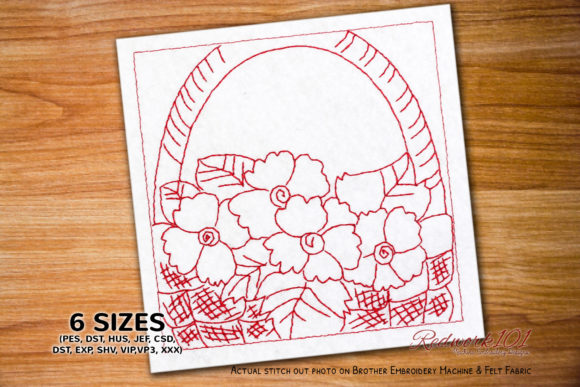
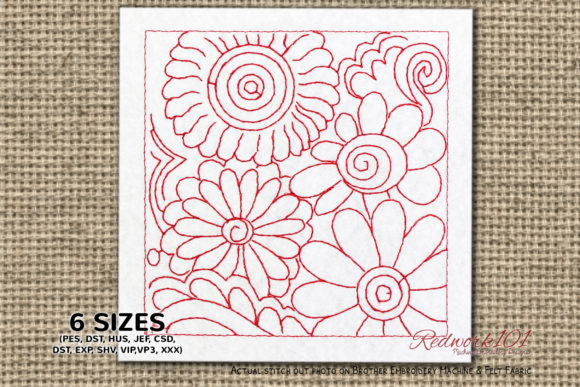
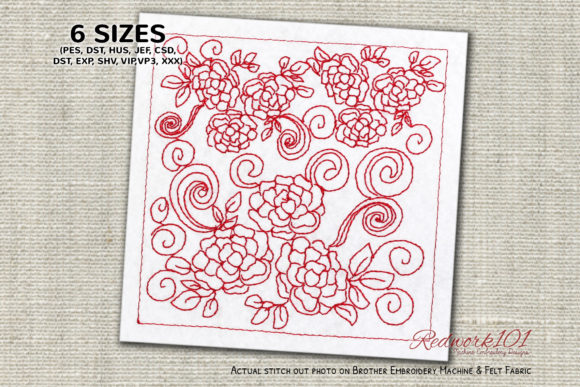
As I look at the Abstract Floral Redwork design, preparing to turn it into a lineup of products for a weekend market, my first impression is a strong sense of modern elegance. This isn't a traditional, literal bouquet. It feels decorative, soft, and premium, with an abstract quality that leans toward a sophisticated, minimal aesthetic. It avoids being overtly rustic or farmhouse, giving it flexibility to appeal to a customer looking for something artistic and understated.
Where Abstract Floral Redwork Will Stand Out on Your Display Table
This design’s strength lies in its ornamental quality. It’s not a joke or a slogan; it’s pure visual texture. On a crowded craft fair table, that can be a powerful draw. Customers scanning a booth will notice it as a beautiful pattern first, which then invites them to look closer at the product it’s on. This makes it perfect for items where the design is the primary feature, not just an add-on.
For sheer visual impact and perceived value, I would start with pillow covers and tote bags. A pillow cover with this embroidery becomes a statement home decor piece, elevating it from a simple sewing project to a boutique-quality item. On a tote bag, especially a neutral linen or canvas bag, Abstract Floral Redwork acts as a large focal design that transforms a utilitarian object into a fashionable accessory. Both products photograph beautifully for online listings and Etsy shops, showcasing the handmade quality.
For smaller, giftable items, tea towels (kitchen towels) and fabric pouches are excellent candidates. The design provides a lovely accent without overpowering the item’s function. On a tea towel, it brings a touch of artistry to the kitchen. Be mindful of fabric texture here; a smooth, high-quality cotton will show the stitches best.
Practical Production and Selling Points
From a production standpoint, this appears to be a manageable machine embroidery design. Its abstract nature suggests it might not have overly dense stitch areas or tiny lettering that can cause thread buildup or clarity issues. However, that’s an assumption. Before batch production, you must test the design on scrap fabric representative of your final products—linen, canvas, cotton—to inspect stitch density and confirm the hoop size needed.
It likely works beautifully as a medium to large design. I would hesitate to shrink it too much for something like a cap, unless the description confirms it retains clarity at small sizes. Embroidering on curved cap surfaces requires special attention to stabilizer and can distort designs with fine details. For embroidered patches, it could be stunning, but again, test its readability when reduced.
For online sellers, this design creates strong printable mockups. Its aesthetic is clean and modern, making it easy to present on digital assets. For physical booth samples, creating at least one real, finished mockup is crucial. See how it looks on a real pillow or bag in daylight—this informs your pricing and helps customers visualize it in their home.
Attention to Detail Before You Stitch
- Thread Contrast: On dark fabrics, you must review if the default thread colors (likely reds, as implied by "Redwork") have enough pop. A test stitch on dark fabric is essential.
- Stabilizer Choice: The right stabilizer for the fabric type (tote bag canvas vs. tea towel cotton) is key to preventing puckering and ensuring crisp lines.
- Commercial Licensing: The product description mentions "Abstract Floral Design by Redwork101." Before selling any finished product, you must confirm the digital embroidery file’s license allows for commercial use. Do not assume.
- Spacing & Scale: Review the design's spacing on the actual product. On an apron, for instance, does it sit well on the pocket or across the chest without looking cramped or isolated?
How This Design Elevates Your Booth and Brand
Abstract Floral Redwork can significantly boost your booth’s display strength. A cohesive line of products—totes, pillows, towels—all featuring this same elegant design creates a professional, curated feel. It tells a story of a thoughtful maker, not just a seller of random items. This consistency builds brand recognition even at a casual fair.
For customer engagement, it invites questions. "Is this your own design?" "How did you create this pattern?" It opens a conversation about your craft. In terms of product value, it moves items from the commodity price range into a premium, handmade art price range. A plain tote bag is a few dollars; an artistically embroidered tote bag is a $30-$40 item.
Finally, remember that the emotional appeal is soft and decorative. It won't be the loud, funny item that grabs someone with a laugh. It will be the piece that a customer pauses at, touches, and appreciates for its beauty. That’s a powerful selling position. Pair it with simple, quality materials, and Abstract Floral Redwork can become a signature, best-selling line for your small shop, both at the craft fair and online.