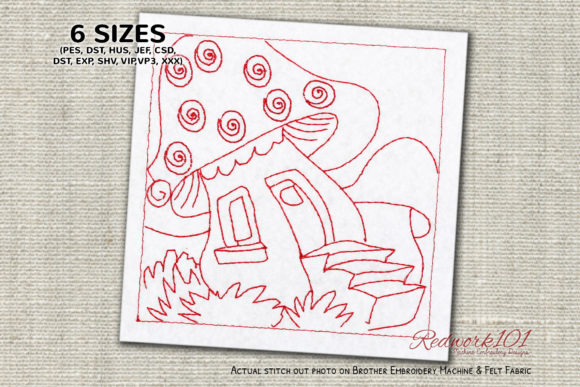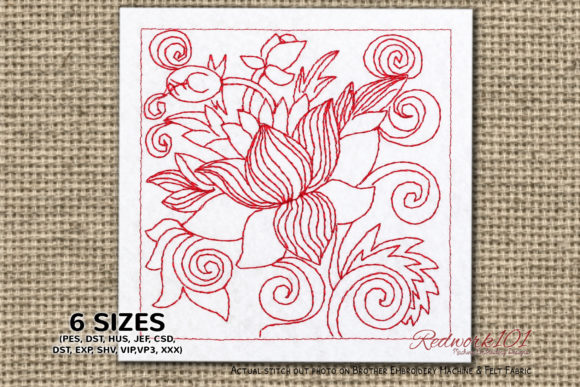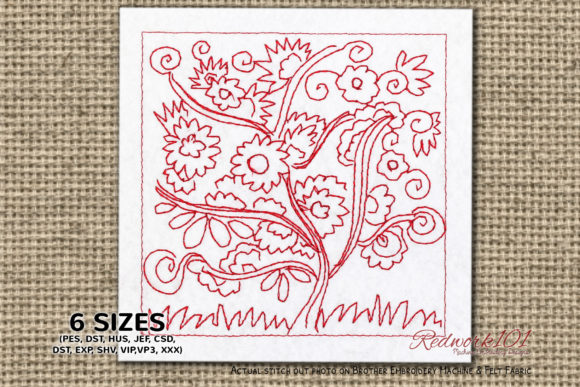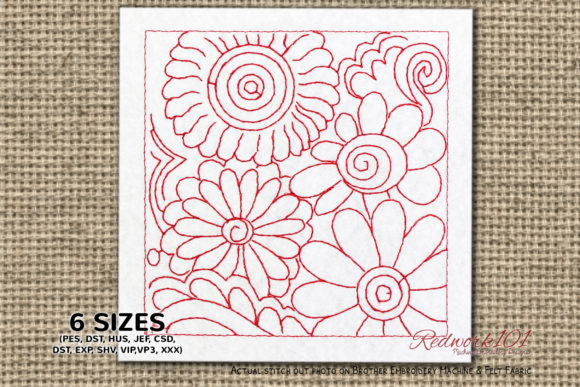
A Close Look at the Abstract Pattern Redwork Embroidery Design
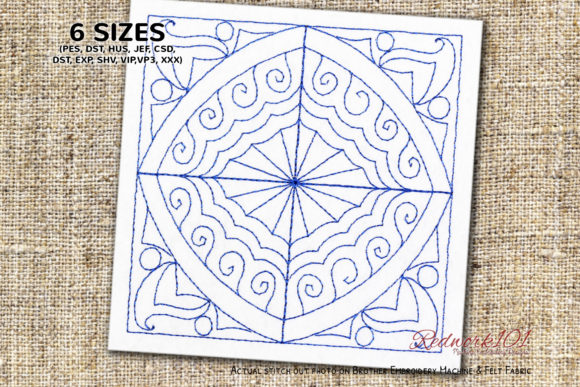
When a new embroidery design lands on my screen, my first question is always: where does this belong? It’s not about whether it’s pretty—most designs are—but about its inherent character and how that translates into a real, stitched finished product. The Abstract Pattern Redwork design immediately strikes me as a quiet, sophisticated whisper. It’s a Zentangle-inspired piece, but with a restrained, almost architectural feel. The mood it creates is contemplative and modern, not chaotic. This isn't a loud, festive pattern; it’s the kind of detail you add to a product when you want to suggest thoughtfulness and refined taste.
The Perfect Project Match: Where This Design Shines
I picture this design on a minimalist canvas tote bag or the corner of a high-quality linen pillow cover. Its abstract, linear nature lends itself to items where the embroidery is an accent, not the entire statement. For small business owners crafting boutique products, like organic cotton baby blankets or elegant kitchen towels, this pattern adds value without overwhelming the item’s primary function. It would be a stunning, subtle gift on a personalized wedding present—perhaps monogrammed napkins.
In custom apparel, I’d lean towards applying it to a women’s sweatshirt sleeve or the back yoke of a t-shirt. The layout feels balanced, making it suitable for a central placement or a neat corner detail. For Etsy sellers creating embroidered patches, this design could be a winner. Its clean lines and abstract theme would appeal to customers looking for something unique but not overly thematic, perfect for a denim jacket or backpack.
Navigating the Stitching Reality: Practical Considerations
Let’s talk execution. Since the product description notes that the outer box color varies and isn’t part of the design itself, my first practical embroidery designer note is to test the design on scrap fabric first to see exactly what stitches are included. Is it primarily running stitch outlines, or does it have fill stitch areas? That will dictate stitch density and the needed stabilizer.
This design, with its likely fine lines, demands attention to fabric texture. On a thick, napped fabric like a fleece blanket, small details might get lost. It would excel on smooth, tight-weave cottons or linens. On dark fabric, thread color contrast is crucial—a classic red or a deep copper would pop beautifully. For curved surfaces like caps, the design’s size and shape would need careful hooping; it might be better suited to the flat panel of a cap rather than the highly curved crown.
When to Approach With Caution
I’d be cautious about using this on items requiring frequent washing, like everyday tea towels, unless the stitch structure is very robust. Intricate, fine stitching can wear faster. Also, for very small hoop sizes, the design’s detail level might become too dense, risking a cluttered look. Always check hoop size recommendations if provided. For personalized gifts like baby items, ensure the design isn’t so abstract that it feels irrelevant—it should complement the item’s purpose.
Why This Design Builds Customer Trust and Value
From a craft business perspective, using a design like Abstract Pattern Redwork signals a curated eye. It moves away from generic, mass-market motifs. This builds brand consistency for a shop specializing in modern, handmade goods. The visual appeal is in its clarity and restraint, which often translates to higher perceived product value. A customer buying an embroidered tote bag with this design feels they’re getting a piece of art, not just a logo.
For digital product sellers, this embroidery file is a strong design asset. Its abstract nature makes it versatile for printable mockups across different products, helping buyers visualize its application. This versatility boosts buyer engagement. Before any commercial embroidery use, however, the absolute must-do is to confirm licensing before selling finished items. The description doesn’t specify terms, so that’s a critical step for creative entrepreneurs.
Final Notes Before You Hoop Your Fabric
My process before committing any design to a client project or my own small shop merchandise involves a few key checks. For this one: review stitch density in the file to avoid puckering on lightweight fabrics. Inspect small details—are there tiny corners or intersections that might need careful thread tension? I’d test it in black and white mockups to see how it reads without color, and compare light and dark fabric backgrounds to plan my thread palette. Ultimately, Abstract Pattern Redwork feels like a design for makers who understand that subtlety can be powerful. It’s not for every project, but when matched with the right product and executed with care, it elevates a simple item into something quietly exceptional.