Sailing Ship Lineart: A Timeless Emblem for Coastal Crafting
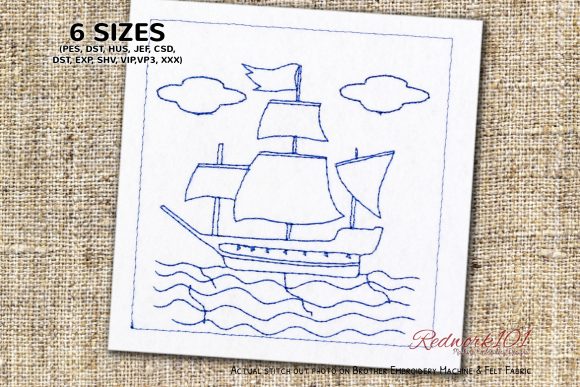
When I first opened this embroidery file, the clean, graphic lines of the Sailing Ship in the Sea Lineart immediately struck me. It’s not a detailed, hyper-realistic rendering; it’s a confident silhouette. That’s its power. It evokes a classic, almost nostalgic mood—the simple joy of a day at the beach, a love for the ocean, or a quiet admiration for maritime history. The layout is straightforward, focusing on the ship's elegant shape against a minimal sea line, which gives it a versatile visual personality. It feels like a design that belongs on something meant to be used and loved, not just displayed.
Where This Design Sails Smoothly in Your Projects
This lineart approach is a gift for practical embroidery. I’m thinking about a custom embroidered tote bag for a client who runs a small coastal boutique. The design’s clarity would translate beautifully onto canvas, creating a crisp, recognizable logo without being overly dense. On a heavyweight sweatshirt, it would feel timeless and understated, appealing to a wide range of customers looking for that perfect beach-town vibe. For personalized gifts, like a baby’s blanket or a set of nursery pillow covers, the gentle theme works wonderfully—it’s soothing and classic rather than cartoonish.
As an embroidery product reviewer, I see its strength in commercial embroidery projects for small shops. It’s ideal for creating a cohesive line of merchandise: think aprons for a seaside café, kitchen towels for a beach house rental, or simple caps for a sailing club. The design’s lack of intricate fill stitches means it will stitch out quickly and reliably, which is crucial for a craft business managing inventory. For Etsy sellers creating printable mockups or selling the finished product as a digital embroidery file asset, this clean design presents exceptionally well in previews, conveying a clear, professional handmade presentation.
Navigating the Tricky Waters: Where to Use Caution
Every design has its ideal applications, and this one requires some thoughtful placement. Because it relies on its outline for impact, stitching it on highly textured fabrics like certain knit blankets could cause some loss of definition. On very thin or stretchy fabric, like a lightweight t-shirt, you’ll need to be meticulous with your stabilizer choice to keep those lines sharp.
I would be careful using it in extremely small hoop sizes. While the design isn’t overly complex, shrinking it too much might compromise the clean silhouette of the ship’s masts and hull. Embroidering onto curved surfaces like a cap’s front panel requires testing; you want to ensure the horizon line and ship base sit flat and don’t distort. For products destined for frequent washing, like apparel, the relative simplicity is a benefit—fewer dense stitch areas mean less wear stress over time.
The Impact on Your Craft Business and Customer Trust
Using a design like this effectively boosts your product’s visual appeal through its sheer recognizability. It’s easy for a buyer to understand and connect with. That stitching clarity directly translates to perceived product value and customer trust—a neat, well-executed lineart embroidery looks intentional and skillful. It supports brand consistency if you’re building a coastal-themed shop, and its giftability is high; it feels personal without being overly specific. For an apparel decorator, it offers a design that’s professional yet approachable, likely increasing buyer engagement in your Etsy listings or craft fair displays.
Practical Notes from the Hoop: A Designer’s Checklist
Before committing this to a client’s order or your next batch of small shop products, do the groundwork. Always test the embroidery file on a scrap of your intended fabric first. Check thread color contrast against your background—this design on a dark fabric with a bright thread can be stunning, but a light thread on light fabric might vanish. Review the stitch density in your software; while it looks light, confirm it suits your machine and material.
Inspecting the small details, like the tip of the ship’s bow and the connection points of the sails, in a test run is essential. I often advise creating simple black and white mockups to see how it reads as a pure shape. Compare how it looks conceptually on both light and dark fabric backgrounds to understand its range. Use the proper stabilizer for your project; a design like this deserves a crisp finish. Crucially, since product details like exact licensing weren’t provided here, you must confirm the licensing terms before selling finished items or digital products. Ensure it’s cleared for both personal and commercial projects to protect your craft business.
In the end, the Sailing Ship in the Sea Lineart is a robust, versatile embroidery design. It doesn’t shout; it suggests. It invites you to place it on a durable tote, a cozy sweatshirt, or a cherished baby item, where its simple elegance will speak volumes. For the creative entrepreneur looking for a reliable, mood-evoking design asset, this one has the potential to become a staple in your embroidery project library, sailing smoothly from your hoop into a finished product that feels both handmade and timeless.