Food Basket Embroidery Design: A Rustic Brand Asset Review
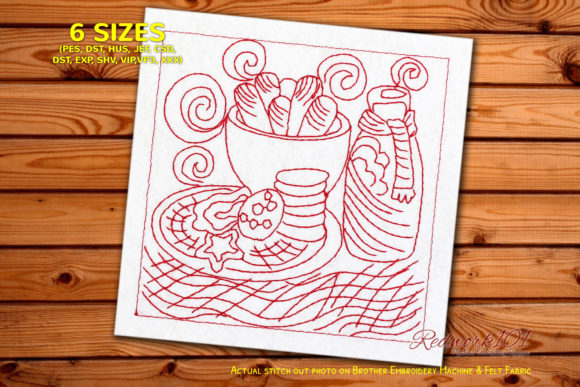
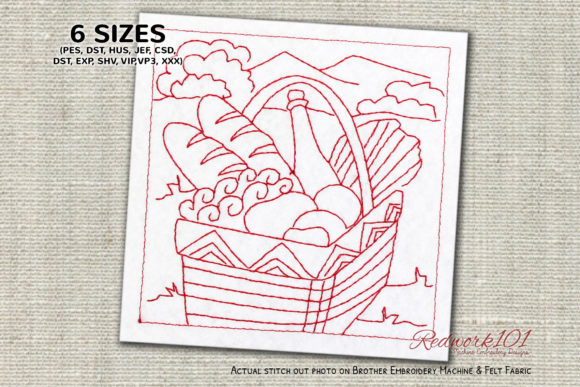
As an embroidery designer who works daily with small businesses to create branded merchandise, I see every design through a practical lens: not just as decoration, but as a tool for brand building. Today, I'm reviewing the Food Basket embroidery design for its potential in commercial use. The description calls it a nice rustic design, perfect for a lovely and traditional stitch. This initial impression is key. For a café, bakery, farm stand, or handmade food product brand, this description suggests a design that leans classic, friendly, and artisanal. It doesn't scream modern minimalism; it whispers handmade authenticity. That's a powerful starting point for many businesses.
The Visual Personality & Brand Identity Fit
The term "rustic" is the cornerstone here. In a branding context, rustic conveys warmth, tradition, craftsmanship, and a connection to natural, wholesome products. When the Food Basket design is stitched onto a staff apron, a tote bag, or a product label, it immediately sets a tonal expectation for the customer. It feels approachable and premium in a specific, grounded way. For a small business, this can enhance customer trust and recognition. It tells a story without words. Compared to a sleek, geometric logo, Food Basket would foster a different, more nostalgic engagement, potentially increasing the perceived value of handmade or locally-sourced goods.
Primary Business Use Scenarios
Let's translate that personality into real, stitched applications. This design is a contender for several key small business merchandise categories:
- Staff Uniforms & Aprons: Embroidered on the chest of a polo shirt or centrally on a chef's apron, Food Basket becomes a subtle, constant brand reminder. It professionalizes the team's look while maintaining that friendly, rustic vibe.
- Embroidered Patches: This is a major application. A patch version can be applied to denim jackets, backpack straps, or canvas bags for event merch or customer gifts. It allows for versatile, low-commitment branding.
- Cap Embroidery: On the front panel of a cap, it becomes a mobile billboard. Ideal for outdoor markets, food truck teams, or as retail merchandise.
- Tote Bag Design: A single, well-placed embroidery on a canvas tote elevates a simple bag into a branded, reusable asset for customers.
- Product Packaging Accents: For a boutique food brand, a small embroidered patch sewn onto a cloth bag or jar wrap acts as a luxurious, tactile label.
- Digital Asset for Mockups: Even before stitching, the embroidery file can be used in printable mockups for website listings, Etsy shop graphics, or promotional materials to create a cohesive visual brand.
Performance Considerations for Production
Moving from concept to the finished product requires a practical review. As a designer, I always advise clients to think through these execution points.
Where It Will Likely Excel
The traditional, rustic style often implies a certain clarity of form. If the Food Basket design has well-defined elements without overly intricate, tiny details, it should stitch out cleanly on common merchandise fabrics like cotton twill (for caps), canvas (for totes), and standard uniform poly-cotton blends. The suggested "lovely" stitch likely means a pleasing, balanced composition that reads well at a glance—crucial for a logo on a moving staff member or a quickly recognized patch.
Where to Use Carefully & Designer Notes
Every design has its optimal uses and its limits. For Food Basket, careful application is needed in these scenarios:
- Very Small Patch Sizes: If the business needs a tiny patch (under 1.5 inches), the design's details must be evaluated. Does it have fine lettering or tiny basket weave details that might blend or break at a miniature scale? Always test the embroidery file at the intended small size before bulk production.
- High-Stitch Density & Dark Fabrics: A rustic design might use fill stitches for solid areas. High stitch density on curved surfaces like cap fronts can be challenging and may require expert hooping and stabilizer choice. On dark uniforms, thread color contrast is vital. Does the design rely on light threads on a dark background? Test on the actual fabric.
- Items for Frequent Washing: Merchandise like work shirts and aprons endure heavy wear. A robust, well-digitized design with good stitch structure will hold up. Check that outlines are secure and fills are dense enough to withstand laundering.
My standard professional notes for a design like this are: always test it in a single color (black or white) first to check the fundamental shape integrity. Review the thread color list for contrast and availability. Inspect the spacing between elements to ensure no thread bridges will be unstable. Confirm the required hoop size fits your target apparel areas. And crucially, create a physical stitch-out on real fabric before client approval—a digital mockup isn't enough. Finally, compare the stitched sample beside your other brand assets to ensure visual consistency.
Final Verdict for Small Business Merch
The Food Basket embroidery design, based on its described rustic and traditional character, presents a strong opportunity for businesses in the food, handmade, and local craft sectors. It’s more than a decoration; it's a brand identity component that can be physically applied across a range of customer touchpoints—from the uniform a customer sees to the tote bag they carry home. Its success hinges on smart application: choosing the right garment, the optimal size, and ensuring high-quality production through proper stabilizer, fabric matching, and machine settings.
For the embroidery shop or apparel decorator producing this for a client, or for the small business owner buying the digital embroidery file for their own use, the key is due diligence. Check the specific details of the file—the exact stitch count, the included formats, the recommended hoop sizes—before committing to a commercial project. Ensure the licensing terms allow for commercial embroidery on merchandise. When executed thoughtfully, the Food Basket design can stitch a story of authenticity and quality directly onto your products, making your brand not just seen, but felt.