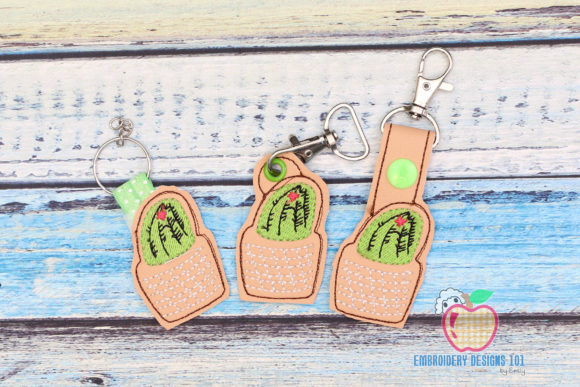
A Review of the Cute Cactus Plant Keyfob Embroidery Design
When you’re browsing digital embroidery files for your next project, it’s easy to get lost in the sea of options. You need something that’s not just cute, but functional, versatile, and reliable when you hit that start button. That’s exactly why I took a closer look at the Cute Cactus Plant ITH Keyfob Design. From a professional standpoint, this isn’t just another floral file; it’s a potential cornerstone for a range of handmade products.
First Impressions: More Than Just a Pretty Plant
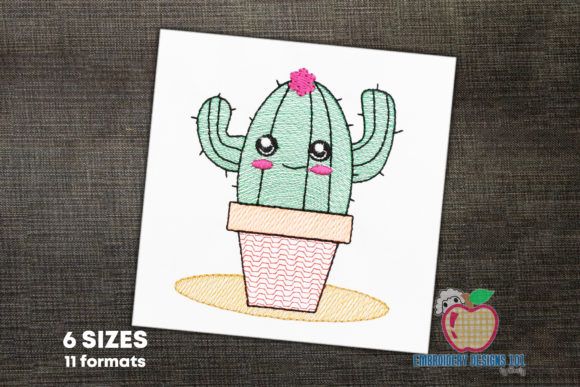
The immediate appeal here is the theme. A cactus design carries a certain charm—it’s friendly, resilient, and universally liked without being overly sentimental. The layout for this keyfob design feels balanced. It’s not overly detailed, which is a good sign for a small format; it promises clean stitches without a lot of tiny, problematic fills. The personality is cheerful and modern, perfect for gifts or products that aim for a lighthearted, contemporary feel. It naturally belongs to projects like personalized keychains, bag charms, or small decorative accents, but its potential stretches much further.
Where This Design Shines in Real Projects
Let’s talk application. I recently used a similar design while preparing a custom order for a boutique baby gift set. The client wanted a coordinated look for a tote bag and a small keepsake. A design like this Cute Cactus Plant ITH Keyfob Design is ideal for that scenario. The provided versions—Snap Tab, Eyelet, and Ribbon—mean you can adapt the finished piece to different functions without altering the core artwork.
Think about your own work: custom apparel like sweatshirts or caps where a small embroidered patch adds personality, baby clothes where a gentle motif works well, or home items like pillow covers and kitchen towels. Because it’s described as 4x4 hoop friendly, it fits neatly onto the corner of a tea towel or the front of a lightweight tote bag. For Etsy sellers and craft fair vendors, this translates to quick, consistent production. The finished product looks professional and cohesive, which builds customer trust and enhances the perceived value of your handmade work.
Considering Fabric and Placement: A Practical Checklist
Any experienced embroidery designer knows a good digital file is just the start. Execution matters. With a design intended for a keyfob, which is often a dense, small item, stitch density is crucial. I always advise testing on scrap fabric first, especially with potentially textured or stretchy backgrounds. Imagine stitching this onto a curved baseball cap surface or a thick, woven apron fabric. The results will differ.
For dark fabrics, thread color contrast is key. A cactus typically involves greens and perhaps a pop of color for the flower; you might need to adjust your palette for optimal visibility. On thin fabrics, like for a baby blanket, using the correct stabilizer becomes non-optional to prevent puckering. The small size is a benefit for detail clarity, but inspect those small details in your test run. Are the outline stitches clear? Does the fill stitch look solid?
A Note on Commercial Use and Presentation
This design affects your business beyond the stitch. For small shop owners, a consistent, recognizable motif like this can become part of your brand identity. It’s giftable—it feels personal without being intrusive. When you create printable mockups for your online store, a clean, well-stitched cactus design immediately signals quality. It engages buyers looking for something unique but not overly complicated. Before moving to commercial production, however, the essential step is to confirm the licensing terms of the embroidery file. Can you sell the finished physical products? This is a must-check before listing any items.
The Versatility Beyond the Keyfob
While marketed as a keyfob design, don’t let that limit your imagination. In my work, I’ve often repurposed smaller, clean designs for applique elements on larger pieces. This cactus could become a charming accent on a custom embroidered tote bag, repeated as a border pattern on a nursery decor item, or even used as a focal point on a holiday gift like a personalized oven mitt. The fact that it includes multiple versions suggests the designer thought about adaptability, which is a huge plus for crafters and apparel decorators running diverse projects.
For digital product sellers, this kind of file is a valuable asset. It’s straightforward, which makes it excellent for beginners learning in-the-hoop techniques, but also robust enough for professional results. When you test it, try it on both light and dark background mockups to see its full range. This gives you confidence when offering it as part of a custom product service.
Final Thoughts for the Working Designer
The Cute Cactus Plant ITH Keyfob Design stands out in the Single Flowers category because of its practical foundation. It’s not just a pretty picture; it’s a blueprint for a reliable, repeatable embroidery project. Your success with it will hinge on standard professional practices: testing, stabilizing, and matching it to the right product. When you do that, it becomes a tool for creating engaging handmade products, boosting your craft business’s appeal, and delivering those small, satisfying details that customers truly appreciate. Remember, the best embroidery designs are those that stitch well and sell well—this one has the groundwork for both.