A Professional Designer’s Review of the Linework Patterned Easter Egg
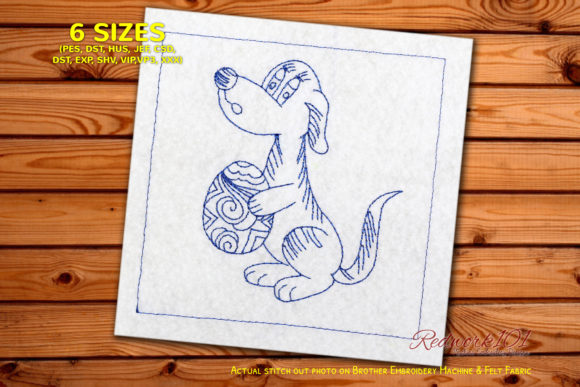
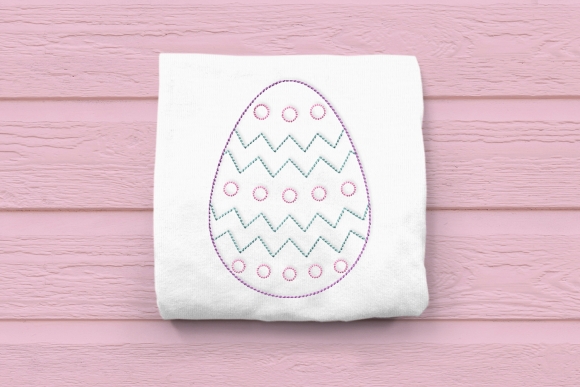
Sitting down with a new embroidery design always feels like opening a small gift. When I first pulled up the Linework Patterned Easter Egg, my immediate impression was one of clean, modern charm. It’s not a hyper-realistic, densely filled egg; it’s a confident outline with a playful interior pattern of chevrons and polka dots. This gives it a graphic, almost illustrative personality that feels fresh and current.
Where This Design Finds Its Natural Home
I picture this design perfectly suited for lightweight, cheerful projects. Imagine a crisp white cotton tea towel for a spring kitchen, a linen pillow cover for a nursery, or the front pocket of a canvas tote bag. Its linework nature means it won’t feel heavy or overly formal. I recently considered it for a set of custom baby bibs for a small shop client—the simple shapes and open feel wouldn’t overwhelm the tiny garment, and the Easter theme, executed in this style, feels gentle and celebratory rather than kitschy.
For a boutique owner, this machine embroidery design could become a staple for seasonal holiday embroidery. Stitched onto the cuff of a sweatshirt or the back of a cap, it acts as a subtle, stylish nod to the season. As a personalized gift, stitching it on a cotton blanket with a child’s name nearby would create a beautiful, handmade presentation. The design’s clarity and straightforward layout suggest it would stitch out cleanly, which directly builds customer trust in the quality of your finished product.
When to Approach with a Bit of Caution
While I’m drawn to its simplicity, linework demands attention to detail. On highly textured fabrics like some towels or napped fleece, those clean lines could lose their sharpness. On stretchy fabrics for apparel, a robust stabilizer strategy is non-negotiable to prevent distortion of the egg’s smooth shape and the precise polka dots.
The smallest of the six available sizes would be my main concern. Tiny embroidered patches or accents on collar tips are possible, but you must test the design on scrap fabric first. At a miniature scale, the chevron pattern’s corners and the density of the outline could become challenging, potentially leading to thread breaks or a bunched look. It’s also a design that thrives on contrast. On a dark fabric background, you’d need to carefully check thread color contrast—a bright white or pastel would pop, but a muted thread might cause the design to recede and lose its graphic impact.
The Practical Impact on Your Craft Business
From a commercial perspective, the Linework Patterned Easter Egg is a versatile asset. For an Etsy seller or small shop product line, it offers a quick-to-stitch, appealing option that can be adapted across products. Its separated color changes (and the instruction not to combine them) is a practical boon. It means you can easily swap thread colors to match your brand palette or a client’s request—making the egg blue and green instead of traditional pastels, for instance, to fit a modern brand’s consistency.
This flexibility enhances its giftability and buyer engagement. A customer might see it on a tote bag design in your printable mockup and request it on a baby romper instead. Because the design isn’t overly complex, it feels approachable and customizable, which is a powerful selling point for creative entrepreneurs.
Essential Notes from the Embroidery Hoop
My core advice for putting this embroidery file into real action is straightforward. Always confirm hoop size compatibility for your machine with the specific file you purchase. The availability of six sizes is a great feature, allowing you to scale for a large pillow or a small baby embroidery item.
Inspect small details in your software preview. How do the polka dots look in the smallest size? Are they distinct, or might they blur into a fill? Review stitch density virtually if you can; a linework design should have a manageable density to avoid puckering on lightweight fabrics like those used for kitchen towels.
Before any commercial embroidery run, test it in black and white mockups and stitch a physical sample. This tells you everything: how it looks on both light and dark fabric, how the thread lays, and whether any corners in the chevron pattern need a slight adjustment in your machine settings. Finally, confirm licensing before selling finished items. Many digital embroidery files are for personal use or require a commercial license—this is a crucial step for protecting your craft business.
Final Thoughts: A Design That Speaks Clearly
The Linework Patterned Easter Egg succeeds by not trying to do everything. It’s a focused, stylish interpretation of a classic symbol. In my judgment, it will perform best on stable, mid-weight to lightweight materials where its graphic lines can shine. It adds value by being easily recognizable, professionally clean, and adaptable—key traits for any design asset in a maker’s toolkit.
Whether you’re preparing a batch of embroidered patches for a craft fair or adding a single custom design to a wedding gift apron, this design offers a balance of festive theme and executional simplicity. It feels friendly and confident, much like a well-run handmade product business itself. Just remember to give it the proper testing and context it deserves, and it will likely become a reliable, charming part of your springtime embroidery project repertoire.