A Designer's Review: Halloween Pumpkin Bluework Embroidery
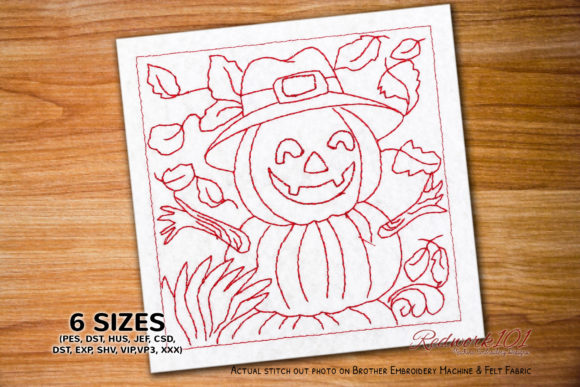
As an embroidery designer preparing for a busy fall craft fair season, I constantly evaluate new designs through a practical lens. The question isn't just "Is this cute?" but "Will this sell from my booth?" Today, I'm reviewing Halloween Pumpkin Bluework Embroidery, a design marketed as a perfect addition for a Halloween outfit or accessory. Let's break down its potential as a product for handmade markets.
First Impression & Market Mood
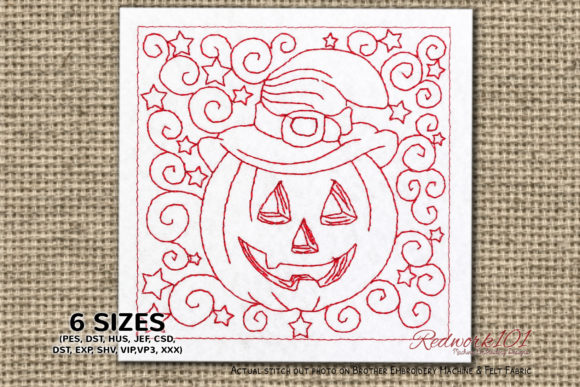
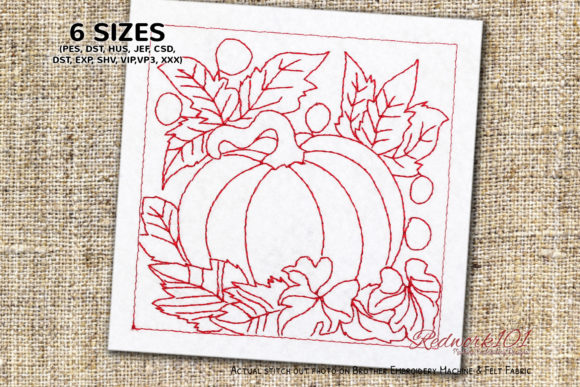
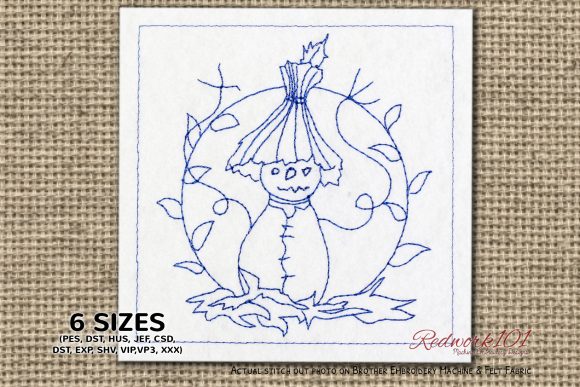
The name Halloween Pumpkin Bluework gives a clear direction. The "bluework" style typically implies a single-color, often intricate, line-based design. This suggests a look that is classic, decorative, and slightly rustic, leaning more towards a farmhouse or elegant aesthetic than a bold, cartoonish Halloween feel. It feels festive but soft, a premium and minimal take on Halloween. This is a crucial distinction for booth displays. In a sea of bright orange and black, this design could stand out as a more sophisticated, subtle option that appeals to customers looking for timeless, rather than trendy, seasonal decor.
Product Performance: Where This Design Shines
Your craft fair table is a story. Each product placement matters. Here’s where I envision Halloween Pumpkin Bluework performing best:
- Tote Bags & Market Bags: This is a top contender. The design likely has enough detail to serve as a beautiful focal point on a neutral or dark bag fabric. The single-color scheme makes it look intentional and high-quality.
- Pillow Covers & Tea Towels: For home decor, this design screams potential. On a crisp white tea towel or a linen pillow, the bluework pumpkin becomes a charming, understated Halloween accent. It elevates a simple kitchen towel into a giftable handmade item.
- Embroidered Patches: If the detail isn't too fine, this could be a fantastic patch. It’s instantly recognizable as Halloween but with a vintage vibe. Patches sell well as quick, affordable add-ons.
- Aprons & Fabric Pouches: As an accent on an apron pocket or centered on a small pouch, it adds decorative value without being overwhelming. It works as a small accent design on these items.
- Caps: This application requires caution. The curved surface of a cap can distort designs, and tiny details in bluework might lose clarity. It would need to be tested on scrap fabric first.
For Etsy listings and digital sellers, this design is excellent for creating printable mockups. Its clear, likely intricate shape photographs well against various backgrounds, showing up cleanly in online photos which is vital for digital sales of the embroidery file itself.
Selling & Production: The Practical Checklist
Turning a digital embroidery file into a profitable craft fair product involves real-world hurdles.
Customer Appeal at a Glance
Halloween Pumpkin Bluework should be easy to understand at a glance. A pumpkin motif is universally recognized. The single-color execution makes it look clean and intentional from a distance in your booth, helping it catch the eye amidst more chaotic designs. This directly boosts customer attention and perceived product value.
Batch Production & Consistency
For small shop products, repeatability is key. If the design has balanced stitch density without overly dense areas that slow down the machine, it’s ideal for batch production on items like tote bags or pillow covers. Consistent results across multiple units are what build brand consistency and booth display strength.
Critical Use Notes for Success
Before running this on final products, a designer must consider:
- Stitch Density & Tiny Details: Review the embroidery file for any extremely dense areas or minute features. These can cause puckering on thinner fabrics like tea towels or require specific stabilizer strategies.
- Fabric & Thread Contrast: Always test on scrap fabric. On textured towels or dark fabric, you must ensure the chosen blue thread has enough contrast to pop. A pale blue on cream might be soft; a deeper blue on black could be striking.
- Size Adaptation: How does the design scale? As a small accent on a pouch, will small lettering or tiny stem details lose clarity? Confirm the intended hoop size works for your planned product.
- The Real Mockup: Never skip this step. Create at least one real mockup on your target product—a tote bag, for example. This reveals how the design interacts with the fabric texture and real-world lighting.
Final Design Verdict for Craft Fair Success
Halloween Pumpkin Bluework Embroidery presents a strong opportunity for craft fair products and handmade products. Its aesthetic offers a niche within the Halloween category that can attract customers seeking subtlety and craftsmanship. It likely translates well to high-impact items like tote bag designs and tea towel embroidery, which are staple sellers at fall markets.
For commercial embroidery, the final step is absolute: confirm commercial licensing before selling any finished products. The product description mentions an optional "Stitch Box," and that the color of the outer box varies, which implies these are notes about the digital file presentation. As a designer, I must check the actual embroidery file details myself—the precise thread colors used, the suitability for different hoop sizes, and the license terms—to ensure smooth, legal production.
In summary, this design has the hallmarks of a booth winner: clear theme, stylish execution, and versatile application. By pairing it with the right products, using proper stabilizer techniques, and showcasing it effectively in a display, Halloween Pumpkin Bluework can become a seasonal staple that enhances your handmade brand and engages buyers looking for that perfect, premium Halloween touch.